
The U.S. Coast Guard Auxiliary plays a crucial role in ensuring the safety and operational efficiency of maritime activities across the United States, including in Puerto Rico. This volunteer organization works alongside the U.S. Coast Guard to promote boating safety and provide vital services to the maritime community. One of the key areas where the Auxiliary has a significant impact is in supporting Uninspected Passenger Vessels (UPVs).
Understanding Uninspected Passenger Vessels
Uninspected Passenger Vessels (UPVs) are commercial vessels that carry six or fewer passengers for hire. These vessels, often referred to as “six-packs,” include charter fishing boats, whale-watching vessels, and small tour boats. Unlike inspected vessels, UPVs are not subject to the same stringent regulatory requirements but must still adhere to certain safety standards.
The Role of the U.S. Coast Guard Auxiliary
- UPV Examination: The U.S. Coast Guard Auxiliary conducts free, voluntary UPV Examinations for these vessels. These examinations are designed to ensure that vessels comply with federal safety regulations, including the availability of life jackets, fire extinguishers, flares, and proper documentation. These inspections are educational rather than regulatory, offering vessel owners the opportunity to correct potential issues without penalties.
- UPV Outreach: The Auxiliary engages in UPV outreach efforts to raise awareness about the importance of boating safety. These efforts include orienting UPV owners and operators about the regulations and requirements for operating their vessels as UPVs. The Auxiliary participates in community events, distributes educational materials, and collaborates with local organizations to promote safe boating practices. In Puerto Rico, where recreational boating is a popular activity, these outreach efforts are vital in spreading safety awareness.
- Assistance with Regulatory Compliance: The USCG Auxiliary assists UPV operators in navigating the complex regulatory requirements governing their operations. They provide guidance on licensing, inspection protocols, documentation, and other compliance-related issues to help operators stay in compliance with federal regulations.
- Boating Safety Education: Education is a cornerstone of the Auxiliary’s mission. They offer a variety of boating safety courses to educate UPV operators and crew on best practices for safe operation. Courses cover essential topics such as navigation rules, emergency procedures, and weather awareness. By educating operators, the Auxiliary helps reduce the likelihood of accidents and improves overall safety on the water.
- Partnerships with Local Authorities: The U.S. Coast Guard Auxiliary works closely with local law enforcement and maritime authorities in Puerto Rico. By collaborating with these agencies, the Auxiliary enhances its ability to promote safety and enforce regulations. These partnerships also facilitate a coordinated response to maritime incidents and contribute to a safer boating environment.

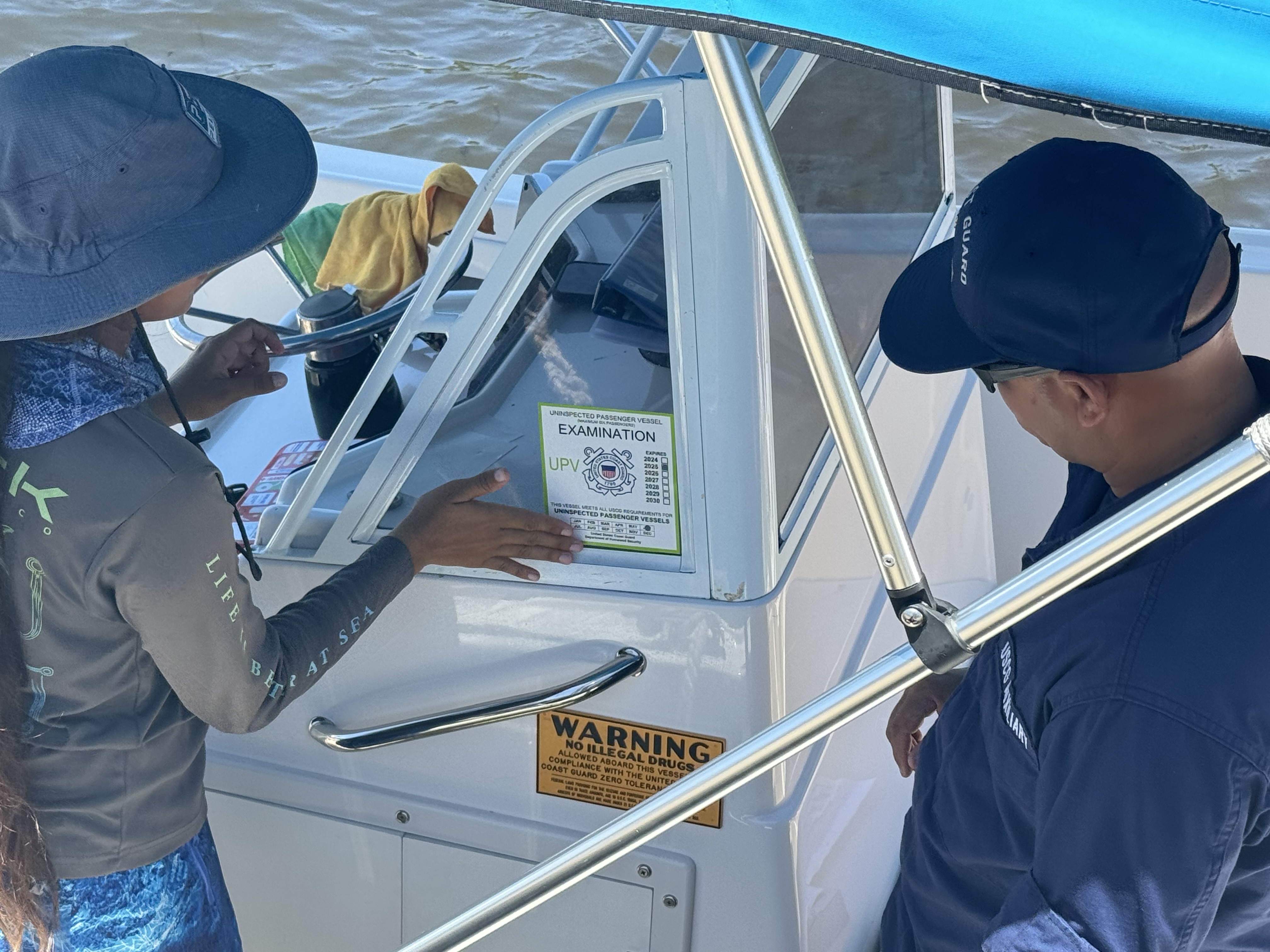
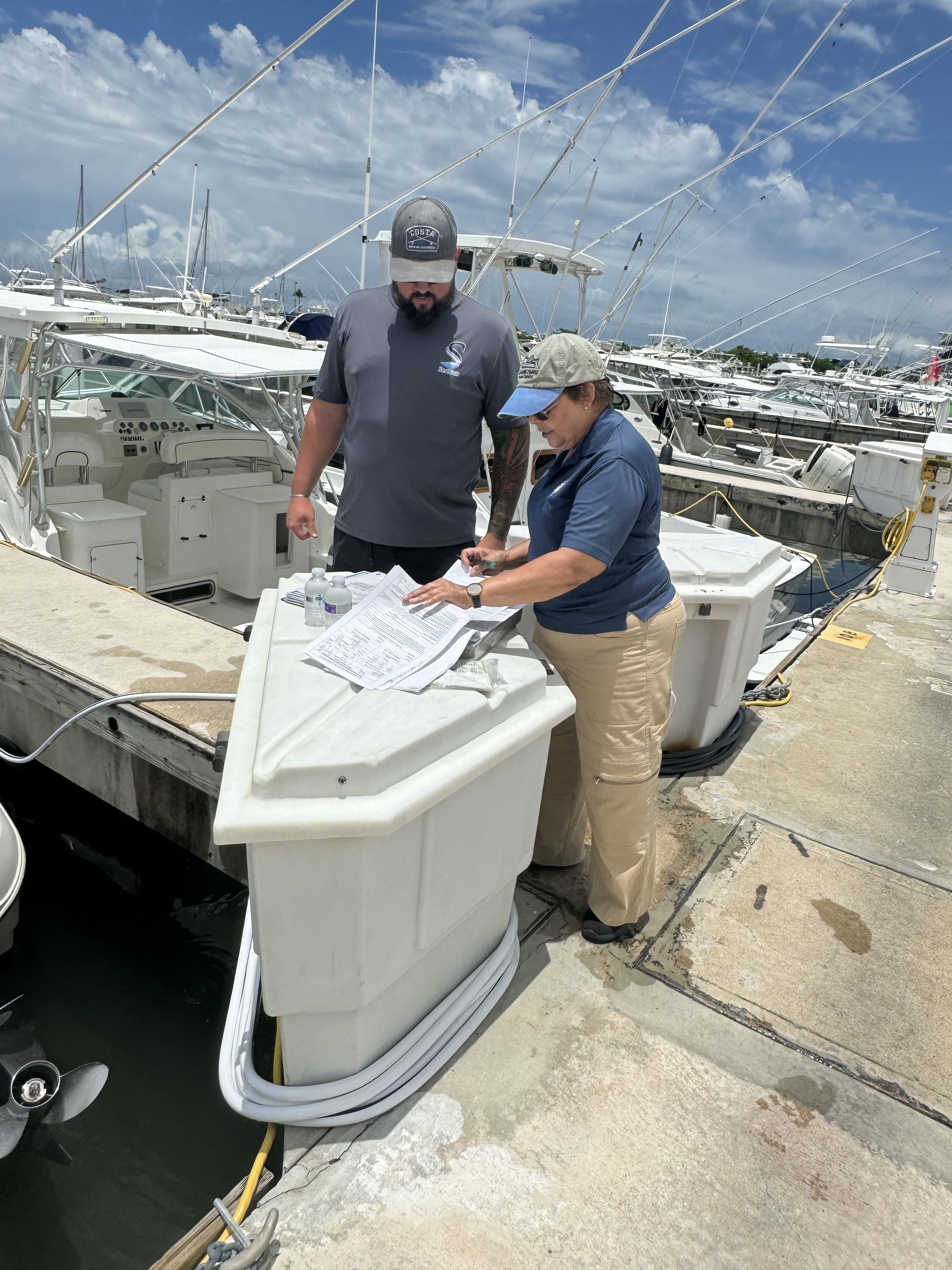
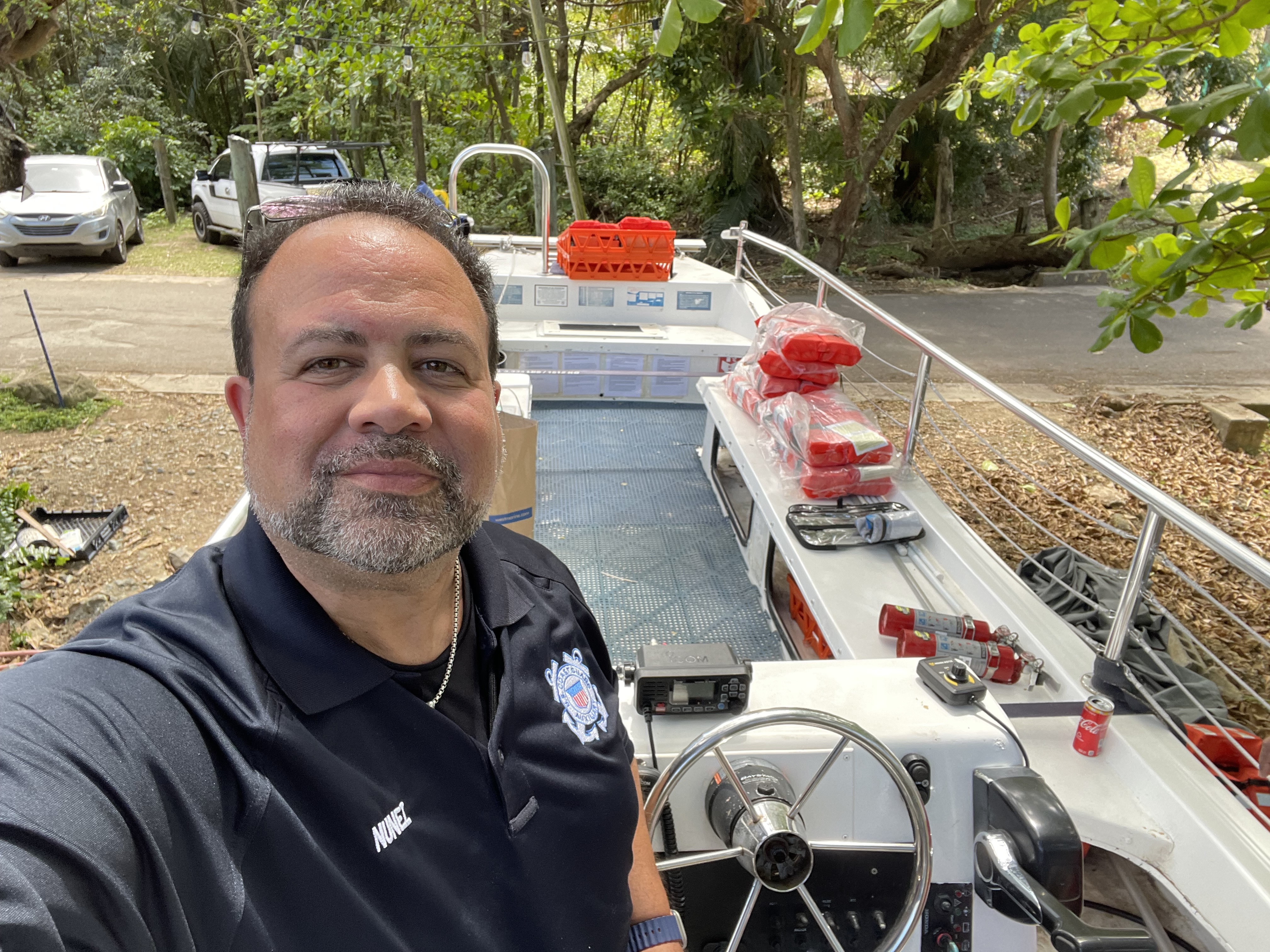
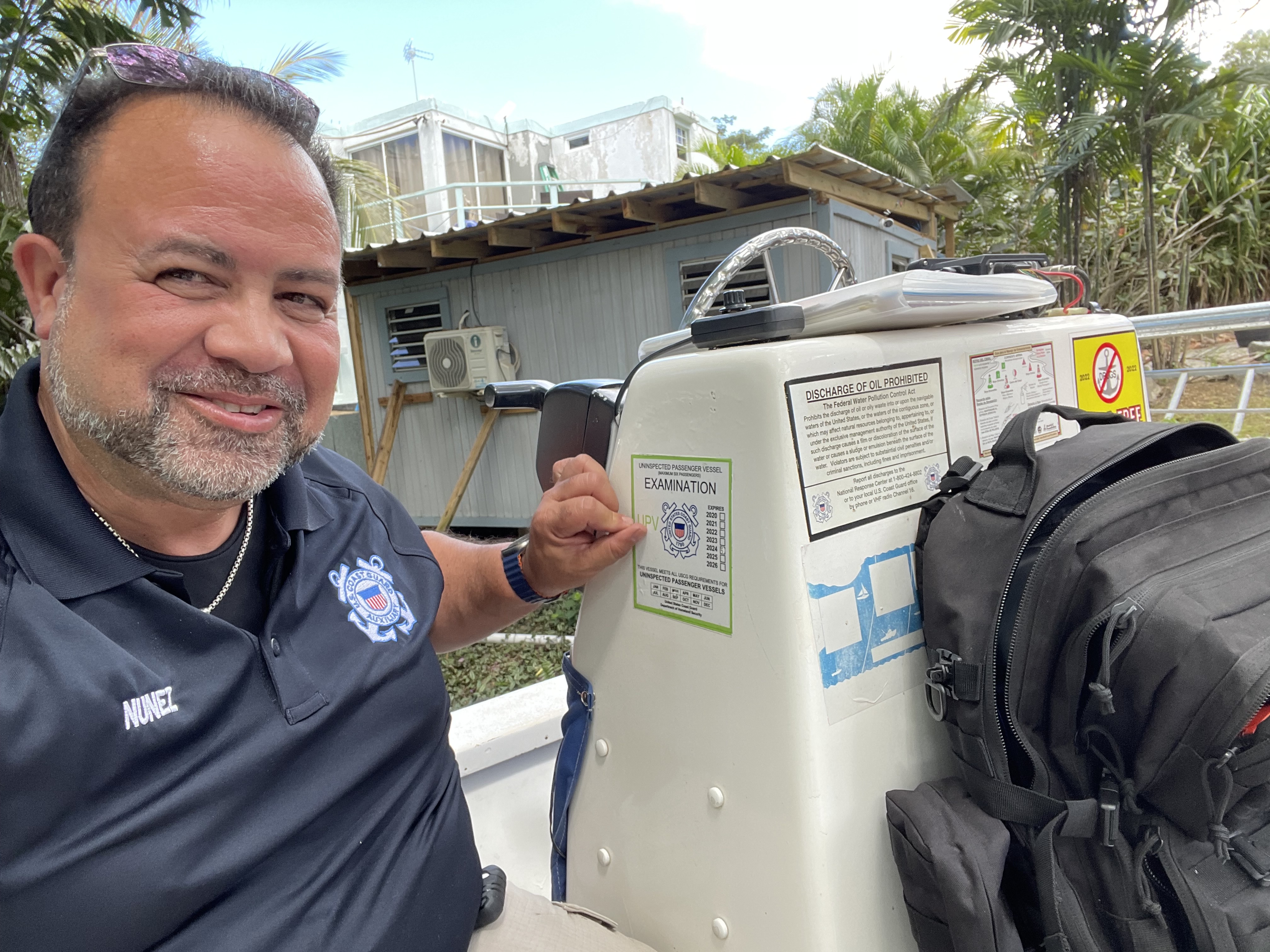
The U.S. Coast Guard Auxiliary’s support for uninspected passenger vessels in Puerto Rico underscores its commitment to maritime safety and education. Through UPV Examinations, educational programs, and emergency support, the Auxiliary helps ensure that UPVs operate safely and responsibly. Their efforts not only protect passengers and crew but also contribute to the overall safety and enjoyment of Puerto Rico’s vibrant maritime community.
By fostering a culture of safety and collaboration, the U.S. Coast Guard Auxiliary continues to play a vital role in supporting maritime operations and enhancing the boating experience for all who enjoy the waters around Puerto Rico.

 Marine Safety Net
Leave a reply to Alexis Maldonado Cancel reply