Understanding Marking Requirements for Uninspected Passenger Vessels (UPVs) with 5 GT or more…
When it comes to maritime regulations, ensuring that vessels are properly marked is crucial for safety, identification, and compliance with federal laws. Any UPV with a gross tonnage (GT) of 5 or more must be documented with the United States Coast Guard (USCG). This documentation is a critical legal process, serving as an official national…
How I know how many GT is my vessel. “tap the picture”
When it comes to maritime regulations, ensuring that vessels are properly marked is crucial for safety, identification, and compliance with federal laws. Any UPV with a gross tonnage (GT) of 5 or more must be documented with the United States Coast Guard (USCG). This documentation is a critical legal process, serving as an official national registration that verifies the vessel’s ownership and nationality. Furthermore, it is a prerequisite for engaging in specific activities, such as international voyages or securing a marine mortgage.
For Uninspected Passenger Vessels (UPVs), specific marking requirements must be adhered to. These guidelines dictate the placement and appearance of the vessel’s name and hailing port on the exterior of the vessel.
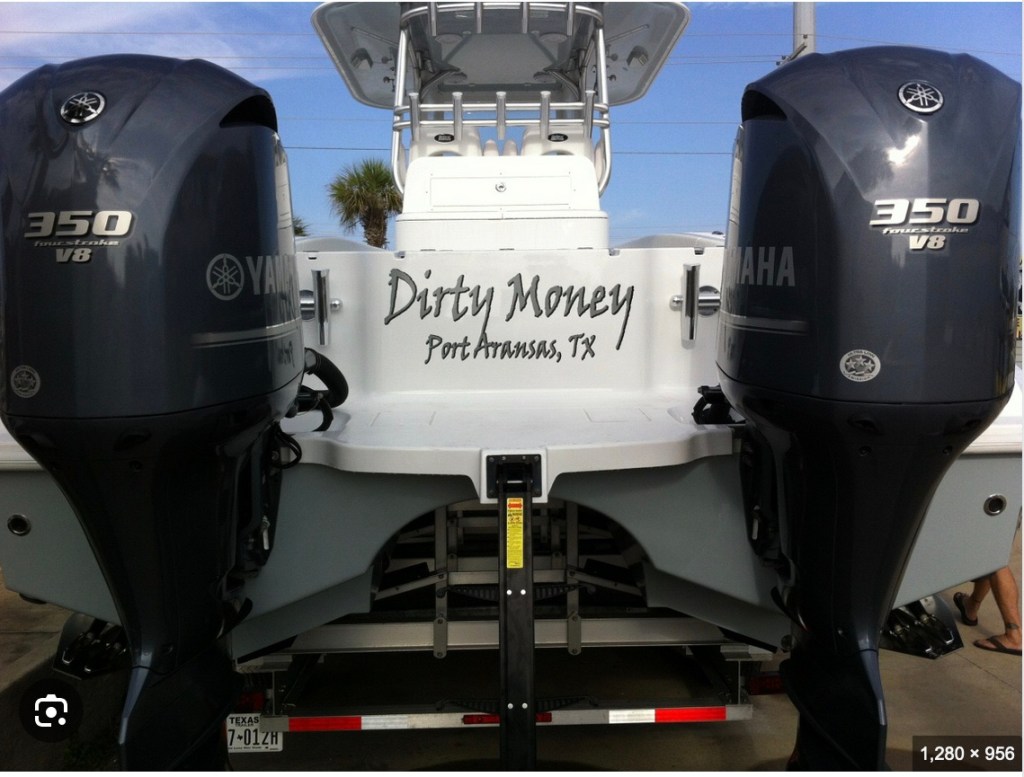
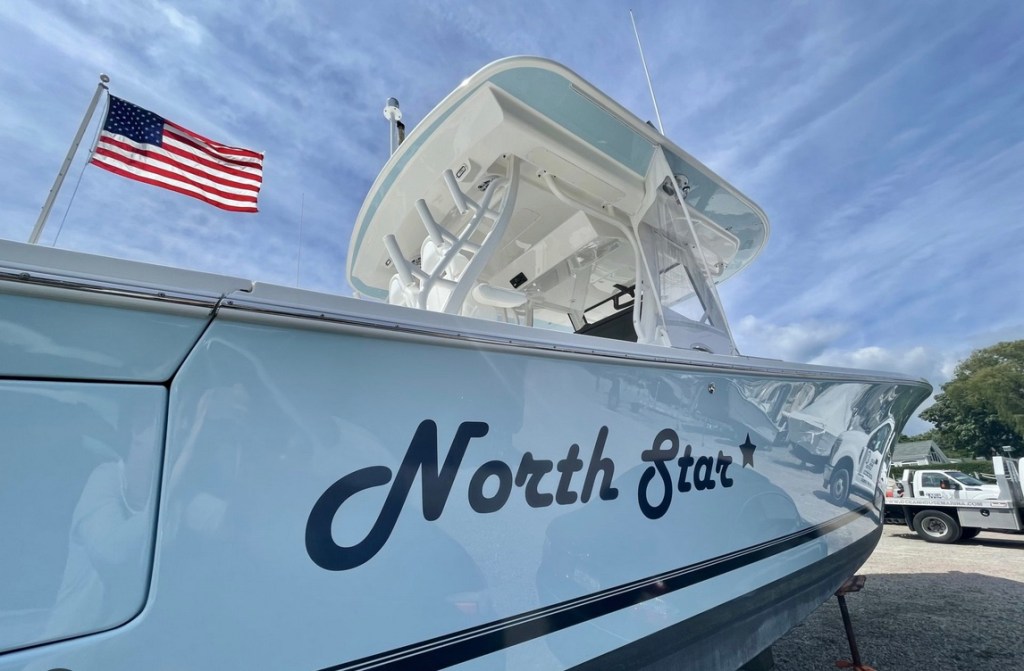
For UPVs, the vessel’s name must be prominently displayed on both the port and starboard bow, as well as on the stern. This ensures that the name is visible from multiple angles, aiding in identification during inspections or in the event of an emergency. Additionally, the hailing port, which refers to the port where the vessel is registered or primarily docked, must also be clearly marked on the stern.
For vessels with a square bow, which have a less traditional design, the regulations adapt to ensure visibility. In these cases, the name must be marked on a visible part of the bow, even if it is square in shape. Both the vessel’s name and its hailing port must also be displayed on the stern.
The requirements go beyond just the placement of the markings; they also specify the appearance. The name and hailing port must be marked using durable, clearly legible letters that are at least 4 inches high. This ensures that the markings are easily readable from a distance and can withstand the harsh marine environment, which includes exposure to saltwater, sunlight, and varying weather conditions.
The letters used for these markings must be from the Latin alphabet, or use Arabic or Roman numerals, which are universally recognizable and ensure consistency across all vessels.
Complying with these marking requirements is not only a matter of following regulations but also plays a vital role in the safety and management of maritime operations. Properly marked vessels can be quickly identified by authorities and other vessels, reducing the risk of accidents and ensuring swift action in case of emergencies.
In summary, for those operating or owning an Uninspected Passenger Vessel, it is essential to ensure that the vessel’s name and hailing port are properly marked in accordance with federal guidelines. This involves placing the name on both sides of the bow and on the stern, and marking the hailing port on the stern, using durable letters at least 4 inches high. Adhering to these regulations will help ensure compliance and contribute to the overall safety and efficiency of maritime activities.




 Marine Safety Net
Leave a comment