

¿Es Seguro Salir al Mar Hoy? Información Clave para Navegantes.
Is it safe to go out to sea today? Key information for mariners
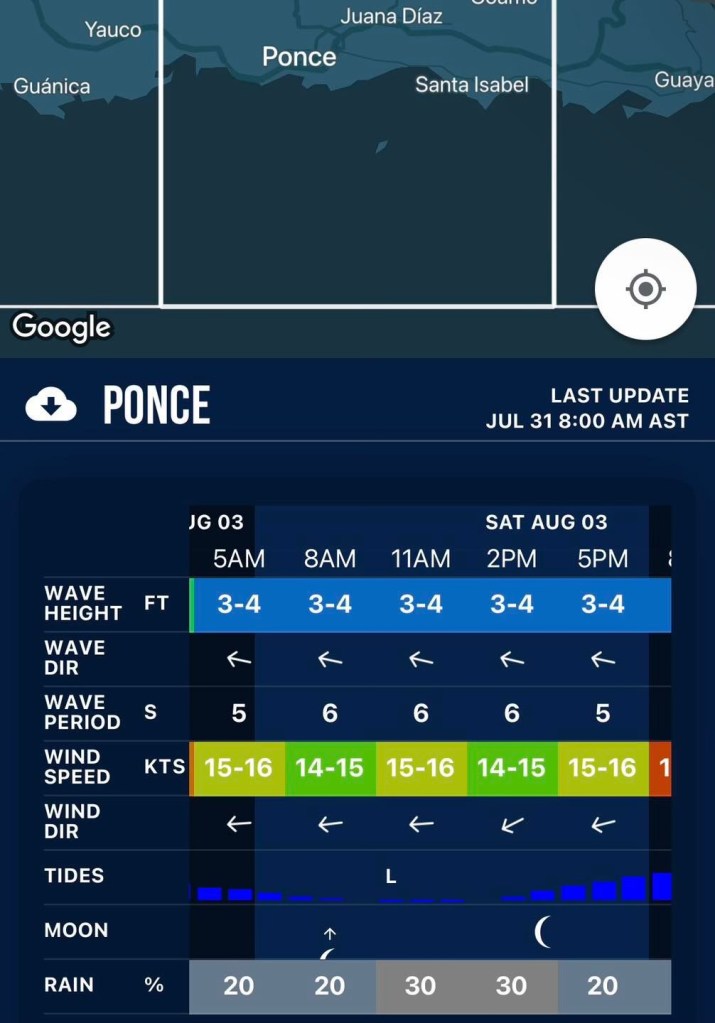
Antes de planificar tu próximo viaje en su embarcación, es crucial evaluar las condiciones del mar para garantizar la seguridad de todos a bordo. Aquí te presentamos la información meteorológica y oceánica más importante que debes verificar:
1. Viento
• Velocidad y Dirección: Los vientos fuertes pueden crear condiciones peligrosas en el mar. Verifica la velocidad y dirección del viento para asegurarte de que son favorables para navegar. • Avisos de Vientos Fuertes: Presta atención a las alertas de vientos fuertes emitidas por las autoridades.
2. Estado del Mar
• Altura y Periodo de las Olas: Olas altas o de corto periodo pueden indicar un mar agitado, lo cual puede ser peligroso para embarcaciones pequeñas.
• Dirección de las Olas: Conocer la dirección te ayudará a planificar mejor tu ruta.
3. Pronóstico de Tormentas.
• Alertas de Tormentas Eléctricas y Huracanes: Evita salir al mar si se pronostican tormentas severas. Estas condiciones pueden cambiar rápidamente y poner en peligro a la tripulación.
4. Visibilidad.
• Condiciones de Visibilidad: La niebla o la lluvia intensa pueden reducir la visibilidad, aumentando el riesgo de colisiones. Es importante contar con un radar o instrumentos de navegación adecuados si se espera baja visibilidad.
5. Mareas y Corrientes
• Información sobre Mareas: Las mareas altas y bajas pueden afectar la navegabilidad, especialmente en áreas costeras y canales estrechos.
• Corrientes Fuertes: Estas pueden dificultar la navegación, especialmente cerca de la costa.
6. Avisos Marítimos Oficiales • Boletines de la Guardia Costera y del Servicio Meteorológico: Siempre verifica las alertas y avisos emitidos por estas instituciones antes de zarpar. Su información es actualizada y específica para navegantes.
Recomendaciones Finales Conoce las limitaciones de tu embarcación. Cuanto más pequeña sea tu embarcación, más susceptible será a las condiciones meteorológicas. Siempre consulta fuentes confiables como el Servicio Nacional de Meteorología y los boletines marinos locales antes de salir al mar. Mantente informado y preparado para adaptarte a las condiciones climáticas cambiantes. La seguridad de tu tripulación y de tu embarcación depende de una buena planificación y evaluación de las condiciones meteorológicas.
Before planning your next trip on your vessel, it is crucial to evaluate sea conditions to ensure the safety of everyone on board. Here is the most important meteorological and oceanic information you should check:
1. Wind
• Speed and Direction: Strong winds can create hazardous conditions at sea. Check the wind speed and direction to ensure they are favorable for sailing.
• Strong Wind Warnings: Pay attention to gale warnings issued by the authorities.
2. Sea State
• Wave Height and Period: High waves or short periods can indicate rough seas, which can be dangerous for small boats.
• Wave Direction: Knowing the direction will help you better plan your route.
3. Storm Forecast
• Thunderstorm and Hurricane Alerts: Avoid going out to sea if severe storms are forecasted. These conditions can change rapidly and endanger the crew
4. Visibility.
• Visibility Conditions: Fog or heavy rain can reduce visibility, increasing the risk of collisions. It is important to have a radar or proper navigation instruments if low visibility is expected.
5. Tides and Currents
• Tide Information: High and low tides can affect navigability, especially in coastal areas and narrow channels.
• Strong Currents: These can make navigation difficult, especially near the coast.
6. Official Maritime Notices
• Coast Guard and Meteorological Service Bulletins: Always check the alerts and notices issued by these institutions before setting sail. Their information is updated and specific for mariners.
Final Recommendations
Know the limitations of your vessel. The smaller your vessel, the more susceptible it will be to weather conditions. Always consult reliable sources such as the National Weather Service and local marine bulletins before going out to sea. Stay informed and prepared to adapt to changing weather conditions. The safety of your crew and your vessel depends on good planning and assessment of meteorological conditions.
 Marine Safety Net
Leave a comment